02
Lenza Arena
A community platform, a Discord alternative. Released in about a month
The task
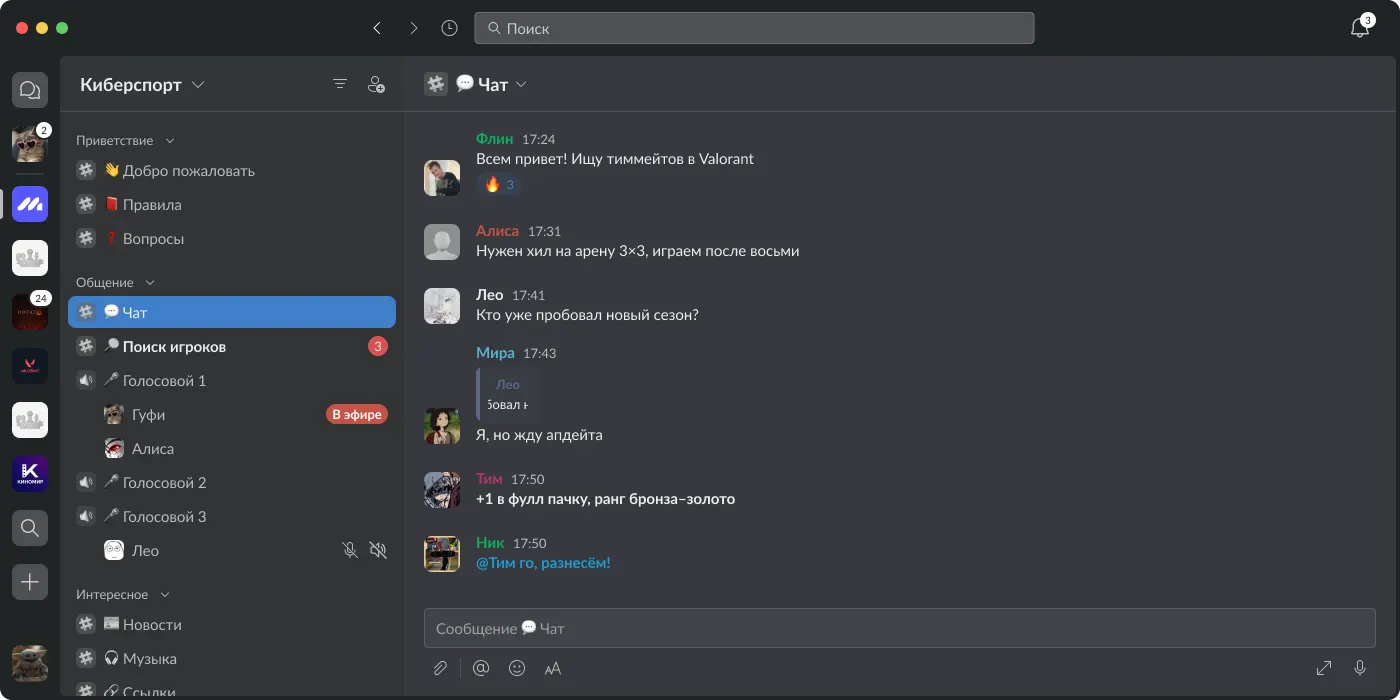
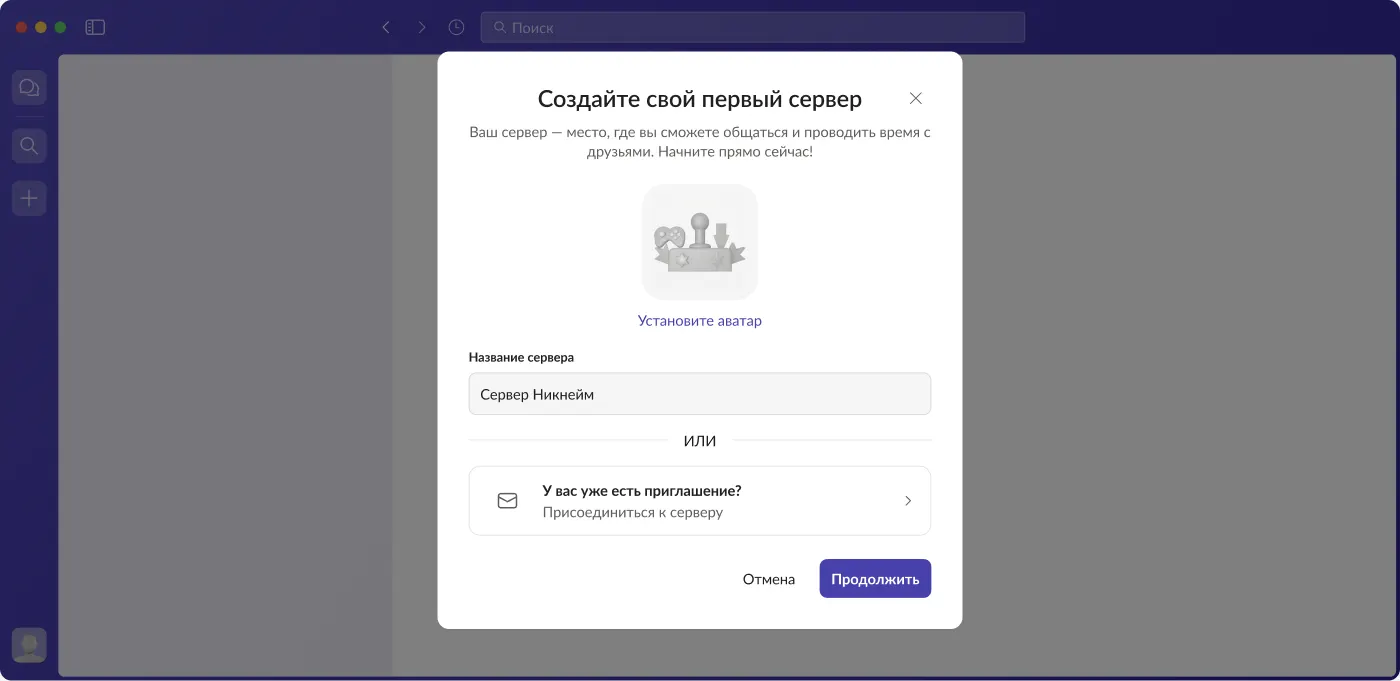
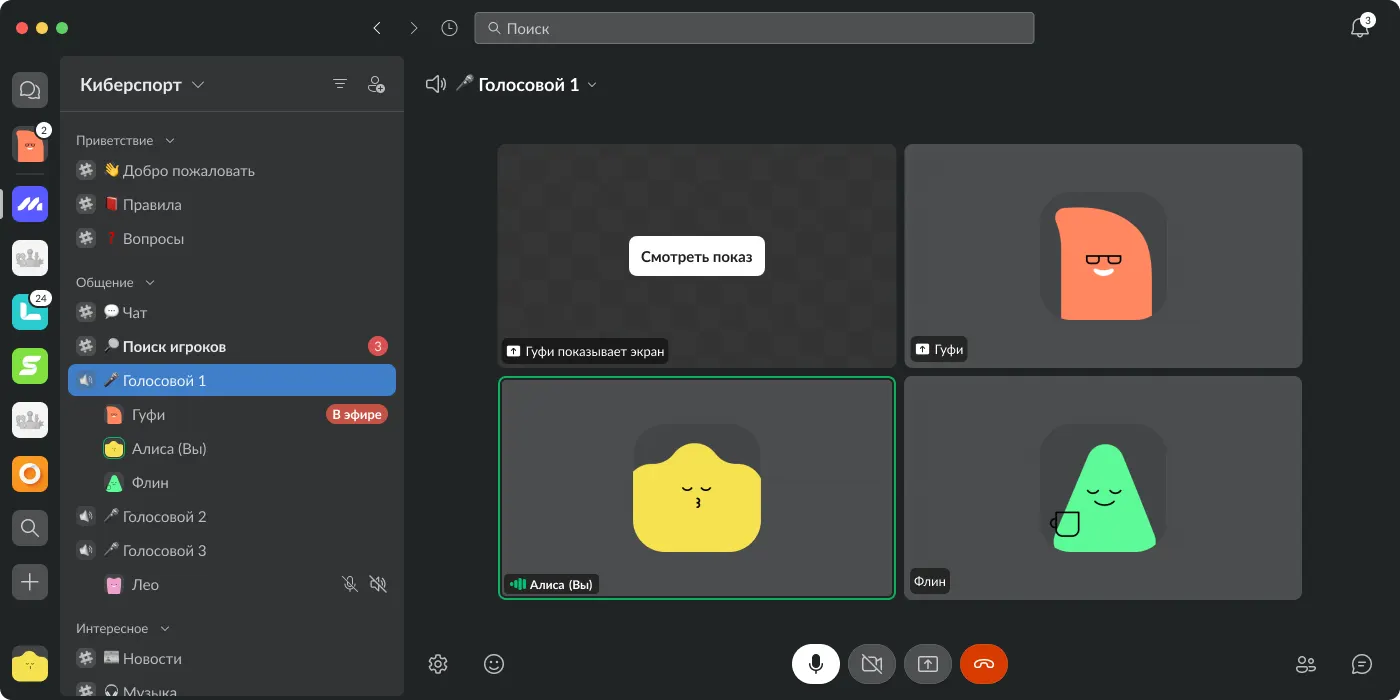
Give communities and gaming guilds their own place: servers, channels, roles, voice rooms, in-game activity.
What I did
- Designed the product from scratch: from research to release on desktop and mobile.
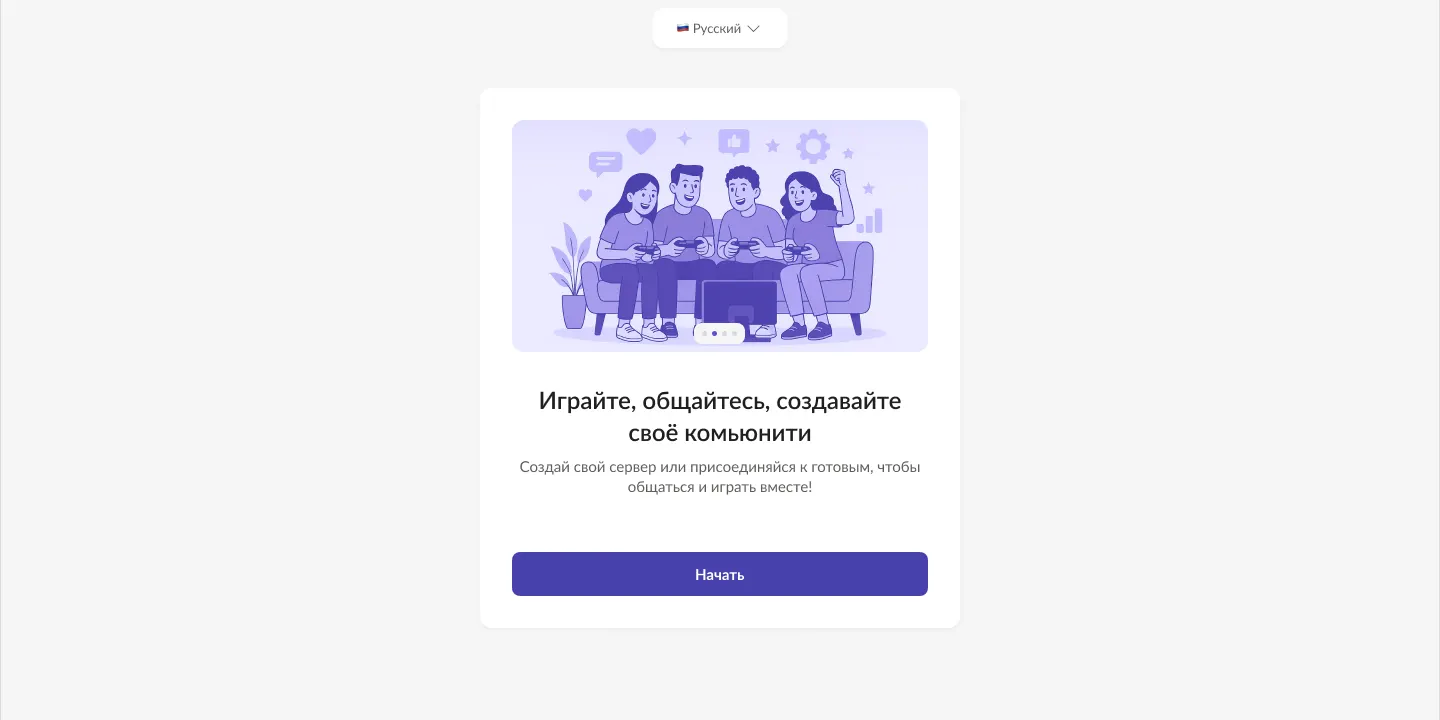
- Wrote product specs: server types, role and permission hierarchy, onboarding, system notifications.
- Designed monetization through server boosts after studying the Discord Nitro and Boost model.
The result
- Released in about a month, at the time Discord was blocked in Russia.
- Together with voice channels it brought a wave of users: by the team’s estimate, the product’s audience grew about 2×.
How the work went
The team: me, the product lead, two developers and QA. We had about a month in total, so from day one I decided what goes into the first release.
-
Research
The main reference was Discord, plus Slack and other messengers. I studied the structure of servers and channels, roles and permissions, voice rooms, navigation and user scenarios. I looked for patterns that work and adapted them to Lenza.
-
What I took from it
A familiar community structure: servers and channels. Flexible roles and permissions. And voice rooms you can join without starting a call every time.
-
The hardest decision: roles
We had to combine flexibility for admins with a clear interface for regular members. We settled on this: members pick open roles themselves, while private roles are assigned by an admin. That keeps channel access and member groups under control.
-
Priorities for one month
The first release covered the core scenarios: creating servers, organizing channels, setting up roles, and chatting in text and voice rooms. Everything else was left to develop after launch.
-
Mockups and acceptance
I designed in Figma and agreed decisions with the product lead and engineering. After implementation I checked the interface against the mockups and looked for mismatches and problems in the scenarios.

